

Maintaining a healthy level of body fat is essential for overall wellbeing, but carrying excess fat — especially visceral fat — carries real health risks. Some fat is necessary to protect organs and support normal function. Too much of the wrong type, in the wrong place, contributes to chronic disease.
What is visceral fat?
Visceral fat is stored deep within the abdomen, surrounding internal organs such as the stomach, liver and intestines. Unlike subcutaneous fat, which sits just beneath the skin and is what you feel when you pinch your waist, visceral fat is hidden — you cannot see or feel it directly.
A modest amount is normal and protective. Excess visceral fat is metabolically active in an unhelpful way: it releases inflammatory signalling molecules and free fatty acids directly into the portal circulation feeding the liver, which contributes to insulin resistance, raised triglycerides and low-grade chronic inflammation.
This is why visceral fat is associated with type 2 diabetes, cardiovascular disease, fatty liver disease and metabolic syndrome — more strongly than overall body weight is.
How do you know if you have too much?
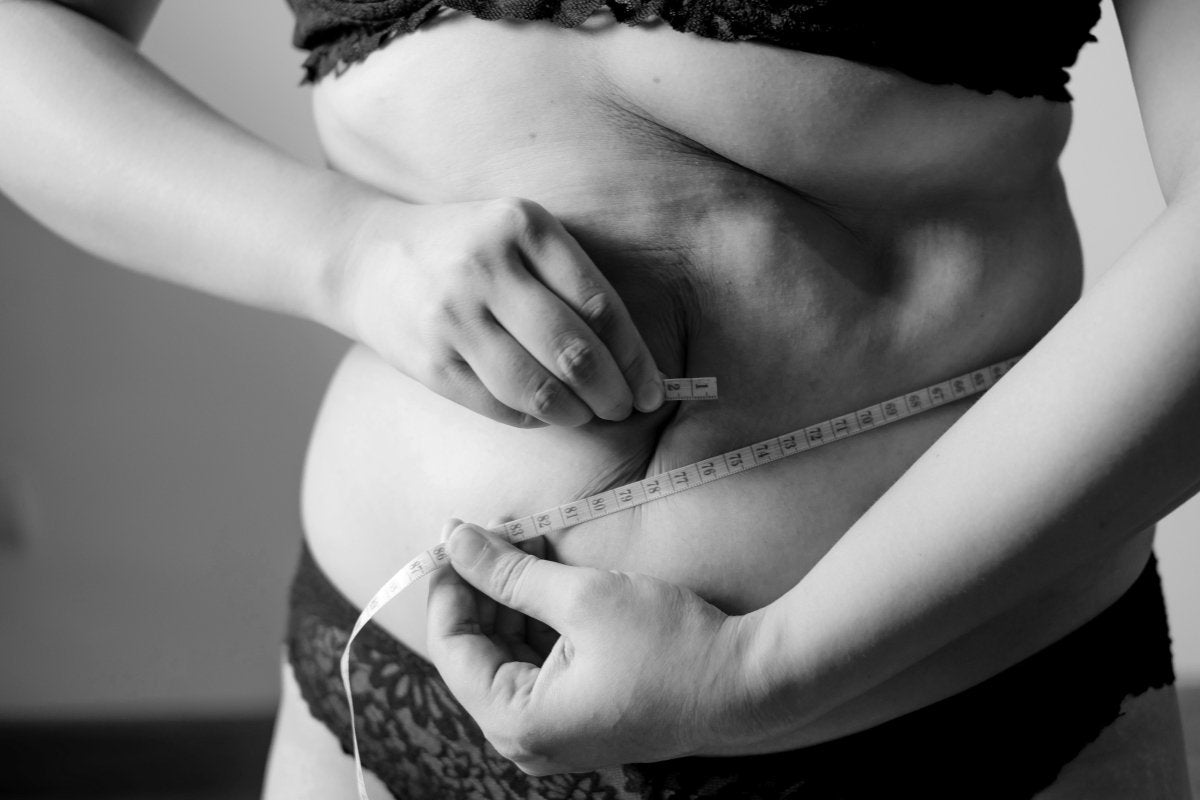
Because it is invisible, BMI can be misleading — it is possible to have a healthy BMI and still carry excess visceral fat. A tape measure is more useful.
NHS guidance suggests waist measurement is a good proxy. Health risk rises above 94 cm (37 in) for men and 80 cm (31.5 in) for women, with substantially higher risk above 102 cm and 88 cm respectively. Lower thresholds apply for people of South Asian, Chinese and Japanese heritage. A useful rule of thumb is keeping your waist to less than half your height.
What causes it to accumulate?
- Ultra-processed foods — packaged snacks, refined grains, sugary drinks
- Added sugars — particularly sugar-sweetened beverages
- Low intake of whole foods — too little fibre, protein and vegetables
- Chronic stress — sustained cortisol promotes central fat storage
- Poor sleep — disrupts appetite hormones and metabolism
- Alcohol — provides empty calories and burdens the liver
- Physical inactivity and prolonged sitting
- Hormonal change — falling oestrogen after the menopause shifts fat storage from hips and thighs toward the abdomen
- Genetics and ageing — both influence where the body preferentially stores fat
How to reduce it
Encouragingly, visceral fat tends to be among the first fat to respond to lifestyle change — often before any visible difference appears.
Prioritise whole, nutrient-dense foods
- Lean protein — fish, poultry, eggs, dairy, beans and lentils
- Unsaturated fats — olive oil, rapeseed oil, nuts, seeds, avocado, oily fish
- Fibre-rich vegetables — leafy greens, cruciferous vegetables, peppers. Soluble fibre in particular is associated with lower visceral fat
- Wholegrains and pulses — oats, barley, quinoa, chickpeas
Reducing sugary drinks alone makes a measurable difference for many people.
Move daily
Aerobic exercise has the strongest evidence for reducing visceral fat specifically. Combine it with resistance training, which preserves muscle and supports metabolic rate. Aim for at least 150 minutes of moderate activity a week, plus strength work twice weekly. Reducing time spent sitting matters independently — stand and move every hour where you can.
One thing that does not work: targeted abdominal exercises. Sit-ups strengthen abdominal muscles but do not preferentially burn the fat sitting behind them. Spot reduction is a myth.
Manage stress and sleep
Chronic stress drives cortisol, which encourages central fat storage. Poor sleep disrupts hunger hormones and increases cravings. Aim for 7–9 hours of quality sleep, and find stress management that genuinely works for you — walking, mindfulness, time outdoors, or simply protecting downtime.
Limit alcohol
Alcohol contributes calories, disrupts sleep and places load on the liver. Keep within 14 units a week, with several drink-free days.
Realistic expectations
Gradual, consistent change works better than intensive short-term efforts. A loss of even 5–10% of body weight produces meaningful improvements in blood pressure, blood glucose and liver health — often before you notice much visible difference.
Tracking your metabolic health
Rightangled's home blood tests can measure HbA1c, cholesterol, triglycerides and liver function — the markers most affected by visceral fat. Results are reviewed by our clinical team, which includes GPhC-registered independent prescribers, with medical oversight from our doctor, Dr Abdullah.
Our weight loss service is available following clinical assessment, where appropriate.
Verify us with the General Pharmaceutical Council (registration 9011933), see our LegitScript certification, and read reviews on Trustpilot.
This article is for general information and does not replace personalised medical advice.



Share:
Intro to Fitness
How to Sustain Weight Loss: Practical Tips for Lasting Change