


If you have been looking at treatment options and wondering, are weight loss injections prescription only, the short answer in the UK is yes - the clinically regulated injectable medicines used for weight management require a prescription. That is because they are not casual wellness products. They are licensed medicines that need suitability checks, dose planning and ongoing clinical oversight to make sure treatment is both safe and effective.
For many people, that answer is actually reassuring. If a medicine affects appetite, digestion, blood sugar regulation and dose escalation, it should come with proper review. The aim is not to create friction. It is to make sure the right treatment reaches the right person, with the right support.
Are weight loss injections prescription only in the UK?
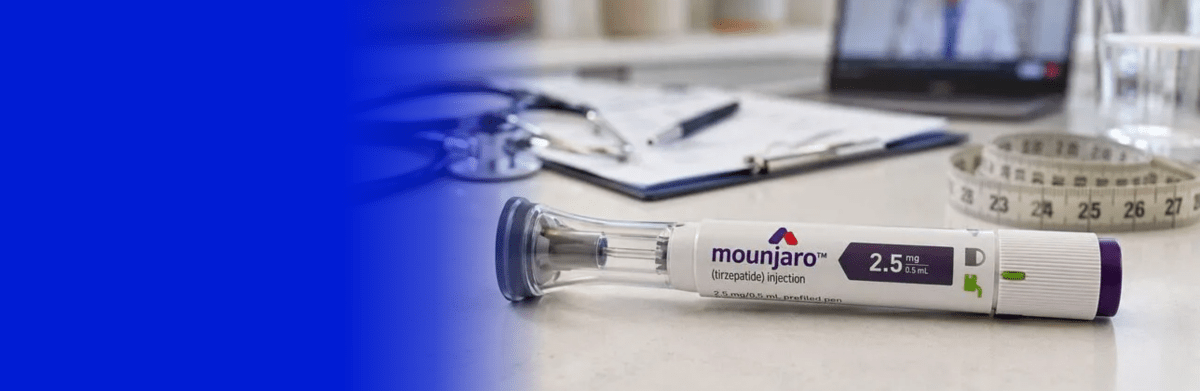
Yes. In the UK, genuine weight loss injections are prescription-only medicines. You cannot legally buy them over the counter in a pharmacy in the same way you might buy antacids, allergy tablets or pain relief.
This applies to regulated injectable treatments used for obesity and weight management, including medicines prescribed through doctor-led services after an assessment. A prescriber needs to review your medical history, current medication, weight-related goals and whether the treatment is appropriate for you.
That matters because eligibility is not the same for everyone. Some people may be suitable based on their BMI and health profile. Others may need a different approach, extra monitoring or may be advised not to use injectable treatment at all.
Why these injections need a prescription
Weight loss injections are not prescribed simply because someone wants to lose a small amount of weight quickly. They are medical treatments designed for people who meet defined criteria and who may benefit from a structured plan.
Most work by mimicking hormones involved in appetite and fullness. In practice, that can mean eating less, feeling satisfied sooner and finding it easier to maintain a calorie deficit. But those same effects can also cause side effects, interact with certain conditions and require gradual dose increases.
A prescription process helps address a few essential questions. Is the treatment clinically suitable? Are there any red flags in your history? Do you understand the likely side effects? Are your expectations realistic? If those questions are skipped, the risk of poor outcomes goes up.
What happens before you are prescribed weight loss injections?
The process is usually more straightforward than people expect, especially through a regulated online provider. You complete a medical questionnaire, provide details such as height and weight, list any conditions or medication, and in some cases submit photos or further evidence to support the assessment.
A qualified prescriber then reviews the information. They are not just ticking a box. They are checking whether the medicine is appropriate, whether the benefit is likely to outweigh the risk, and whether another treatment route may be better.
If approved, you are prescribed the medication with clear dosing instructions. If not, you should be told why. That might feel disappointing, but it is part of safe prescribing rather than a barrier for the sake of it.
Which weight loss injections are prescription only?
In the UK, the recognised injectable medicines used for weight management are prescription only. These are not the same as supplements, vitamin shots or products marketed online with vague claims about metabolism.
This distinction matters because the market is crowded with confusing language. Some sellers use terms like slimming jabs, fat-burning injections or medical weight loss pens without making it clear whether the product is a regulated prescription medicine. If no prescription is required, that should prompt caution.
A legitimate provider should be transparent about the medicine, the assessment process and the prescriber’s role. If a product is being sold with no medical checks, no clear clinical criteria and no regulated pharmacy involvement, it is worth stepping back.
Can you get weight loss injections online?
Yes, but prescription rules still apply. Online access does not mean over-the-counter access. It means the consultation and prescribing journey happens remotely through a regulated service rather than face to face.
For busy adults, this can be a practical option. You can complete an assessment in your own time, avoid booking a GP appointment purely to start the conversation, and receive treatment discreetly at home if approved. That said, convenience should never replace clinical checks. The best online services reduce delay without cutting corners.
This is where regulation matters. In the UK, you should look for a provider that operates as a registered pharmacy and uses qualified prescribers. That gives you a safer route to treatment and a clearer standard of accountability.
Why buying without a prescription is risky
When people ask whether weight loss injections are prescription only, there is often a second question underneath it: can I get them another way? Technically, you may see products advertised through social media, informal sellers or unverified websites. That does not make them safe, legal or genuine.
The risks are practical as well as medical. A counterfeit product may contain the wrong ingredient, the wrong dose or no active medicine at all. Storage conditions may have been poor. Packaging may be misleading. And if side effects happen, there may be no clinician involved to help you respond appropriately.
Even with a genuine medicine, self-directing treatment without an assessment can be unsafe. Existing digestive issues, certain endocrine conditions, pregnancy, breastfeeding, eating disorders, or interactions with other medicines can all affect whether treatment is suitable.
Who might be eligible for prescription weight loss injections?
Eligibility depends on the specific medicine and current UK prescribing criteria, but the usual factors include BMI and whether you have weight-related health concerns. In some cases, a lower BMI threshold may apply if there are associated conditions such as high blood pressure or prediabetes.
This is one reason a proper assessment is essential. Two people may have the same target weight but very different clinical profiles. One may be suitable for injections. The other may be better suited to oral treatment, nutrition support or a different medical plan.
It is also worth being realistic about what treatment can and cannot do. Injections can support appetite control and improve adherence to a calorie-controlled plan, but they are not a substitute for the habits that make weight loss sustainable. The strongest results usually come when medication is combined with dietary change, movement and regular review.
Are all people suitable for these treatments?
No, and this is where a prescription-only model protects patients. Some people should avoid weight loss injections or use them only with careful specialist input. That may include people with certain gastrointestinal conditions, a history of pancreatitis, particular endocrine issues, or other contraindications based on the medicine being considered.
Side effects also need to be factored in. Nausea, vomiting, diarrhoea, constipation and reduced appetite are commonly discussed, especially when starting treatment or increasing the dose. For some patients these are manageable and temporary. For others they can be significant enough to affect day-to-day life or require treatment changes.
A clinician can help balance the upside against the downsides. That judgement is exactly why these medicines are not available as routine retail purchases.
What safe access looks like
If you are considering treatment, the safest route is simple: use a regulated UK pharmacy or telehealth service, complete the full medical assessment honestly and follow the prescribed dosing plan. Do not be tempted by shortcuts, especially if the selling point is that no consultation is needed.
A credible service should explain who the treatment is for, what it costs, how prescribing works, what side effects to expect and what support is available during treatment. If anything feels vague, rushed or too good to be true, it usually is.
For many people, online prescribing through a regulated provider such as Rightangled offers a sensible middle ground - medically reviewed access without the delays and inconvenience that often put treatment on hold.
The real question is not just whether they are prescription only
The better question is whether you are accessing them in a way that gives you the best chance of safe, consistent progress. Prescription status is there for a reason. It helps make sure weight loss treatment is based on clinical need, not marketing hype or impulse buying.
If you are ready to explore treatment, look for a service that combines speed with proper medical oversight. Fast access matters, but confidence in what you are taking matters more. The right start is one that protects your health while giving you a realistic path forward.


Share:
How to Qualify for Weight Loss Medication
Rightangled: A Trusted Source for All Your Weight Loss Questions