


For many people, the choice between weight loss injections versus tablets is not simply about which treatment promises more. It is about finding an option that fits a busy routine, medical history, budget and long-term goals. Both can support clinically supervised weight management, but they work differently and are not interchangeable.
Prescription treatment should always follow a clinician-led assessment. Your suitability depends on factors including your BMI, weight-related health risks, current medicines, previous treatment experience and whether you can use the medicine safely over time.
Weight loss injections versus tablets: the key difference
Weight loss injections used in modern treatment plans are commonly medicines that act on appetite-regulating hormones. Many belong to the GLP-1 class, or work on more than one gut hormone pathway. They can help you feel fuller after eating, reduce hunger between meals and slow the movement of food through the stomach. This can make it easier to eat smaller portions and maintain a calorie deficit.
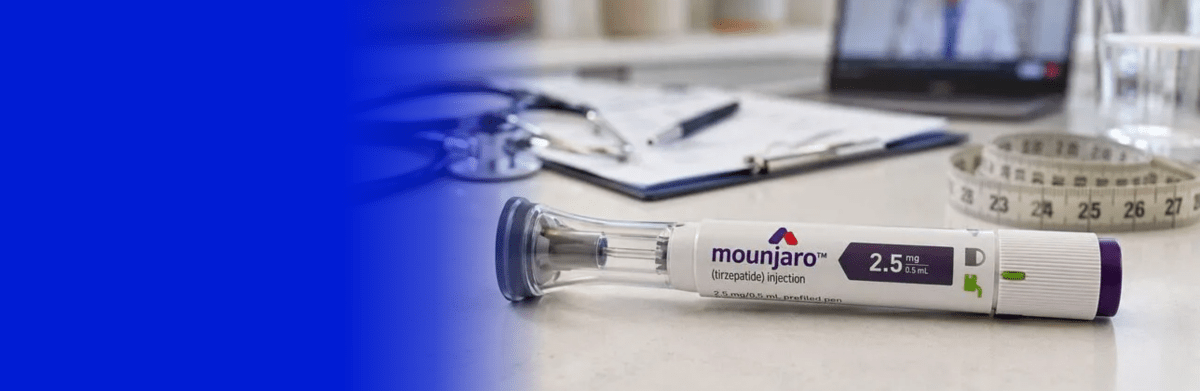
Most are given as a small injection under the skin, typically once daily or once weekly depending on the prescribed medicine. The dose is usually increased gradually, helping the body adjust and reducing the likelihood of troublesome side effects.
Weight loss tablets use different mechanisms. Some reduce the absorption of dietary fat, while others affect appetite, cravings or the reward pathways connected with food. They are taken by mouth, usually daily, and can be a more familiar format for people who do not wish to inject.
The most suitable route is not automatically the easiest one to take. It is the one that is clinically appropriate, tolerable and realistic for you to continue alongside changes to eating habits, activity and sleep.
Which option tends to lead to more weight loss?
Results vary widely between individuals, but injectable appetite-regulating medicines often produce greater average weight loss than older tablet treatments when used alongside a reduced-calorie diet and increased physical activity. That difference is largely linked to their effect on appetite and fullness.
However, an average result is not a personal guarantee. Some people respond very well to tablets, particularly when eating patterns or dietary fat intake are the main practical barriers. Others may not tolerate injections, may prefer not to use them, or may have a health condition that makes a particular injectable medicine unsuitable.
A tablet that you take consistently can be more useful than an injection you stop after a few weeks because the side effects feel unmanageable. Equally, a weekly injection may suit someone who regularly forgets daily tablets. Treatment only works when it can become part of real life.
What progress can look like
Early weight changes are not always linear. Hunger, fluid balance, menstrual cycles, stress, holidays and changes in exercise can all affect the number on the scales. Clinicians usually look for a sustained pattern over several months rather than judging success from one week.
It is also worth looking beyond weight alone. Reduced waist measurement, improved mobility, fewer cravings, more stable energy and better confidence around food can all be meaningful signs that a plan is working.
Convenience: daily tablets or regular injections?
Tablets may feel like the simpler choice because there are no needles. They are small, discreet and easy to take when they become part of an existing morning or evening routine. Yet some tablets have specific rules, such as taking them with meals, avoiding certain foods or leaving a gap between doses and other medicines. These details matter for both effectiveness and safety.
Injections can sound daunting before you start, but many people find modern injection pens straightforward after clear guidance. A once-weekly dose may also create less day-to-day treatment burden than a tablet taken several times a day. You will still need to store and dispose of the pen correctly, follow the prescribed dose schedule and keep track of when your next dose is due.
If needle anxiety is significant, do not dismiss it. It is a valid reason to discuss alternatives. A clinician can explain the injection process and help you decide whether it is likely to be manageable, rather than assuming that one format suits everyone.
Side effects and safety considerations
Both injections and tablets can cause side effects. With appetite-regulating injections, digestive symptoms are common, especially during dose increases. These can include nausea, constipation, diarrhoea, vomiting, indigestion or stomach discomfort. Eating slowly, keeping portions modest and avoiding very rich meals can help some people, but persistent or severe symptoms need medical advice.
Tablet side effects depend on the medicine. A fat-absorption tablet, for example, may cause oily stools, urgency or wind when meals contain more fat. Other tablet treatments may affect sleep, mood, blood pressure, heart rate or interact with medicines you already take. This is why buying prescription weight loss medication without a proper assessment is not a safe shortcut.
Your prescriber should review your medical history carefully. Weight loss medicines may not be suitable during pregnancy or breastfeeding, for people with certain digestive conditions, or alongside particular medicines. If you have diabetes, especially if you use insulin or medicines that can lower blood glucose, your treatment plan may need closer monitoring.
Seek urgent medical advice for severe or persistent abdominal pain, repeated vomiting, signs of an allergic reaction, severe dehydration, or any symptom that feels serious or unusual. Do not increase your dose, restart a medicine after a break or combine treatments without clinical guidance.
Cost, availability and long-term planning
Cost is understandably part of the decision. Tablets may appear less expensive at first, while injections can have a higher monthly treatment cost. But the useful comparison is value over time: the medicine’s likely benefit, the support included, follow-up requirements and whether you can sustain the plan.
Availability and licensing can also differ between medicines. A treatment promoted online may not be appropriate for your circumstances, even if it has worked for someone you know. Regulated providers use clinical checks to make sure a prescription is safe and appropriate, not to create unnecessary delays.
Weight management is usually not a short course with a fixed finish line. Appetite and weight can increase again when medication stops, particularly if the habits and support around it have not had time to settle. Before starting, ask what ongoing review looks like, how progress will be measured and what the plan would be if you need to pause, switch or stop treatment.
How to decide with a clinician
A good consultation should be practical as well as medical. Be open about your target weight, previous dieting experience, relationship with food, medical conditions and the routine you can genuinely maintain. Mention any history of gallbladder problems, pancreatitis, kidney problems, mental health concerns or eating disorders, as well as all prescription, over-the-counter and herbal medicines.
You may prefer an injection because you want stronger appetite support and a weekly schedule. You may prefer a tablet because you want to avoid injections or because its mechanism better matches your needs. There is no prize for choosing the most talked-about option. The right choice is the one that balances potential benefit with safety, side effects, cost and consistency.
A regulated online service such as Rightangled can make this process more convenient through a doctor-led assessment and discreet delivery, but convenience should never replace honest clinical screening or ongoing support.
Make treatment work beyond the prescription
Whether you use tablets or injections, medication is most effective when it gives you enough breathing room to build repeatable habits. Start with changes that reduce friction: plan protein-rich meals, keep satisfying snacks available, make water easy to reach and choose movement you can repeat on a busy week.
Avoid treating a missed dose, a meal out or a slower week as failure. Record what happened, follow the medicine-specific advice you have been given and return to your routine at the next opportunity. Sustainable progress is usually built from ordinary decisions repeated consistently, not perfect ones.
The decision between injections and tablets deserves more than a quick comparison of prices or before-and-after photos. Choose a treatment route with a qualified prescriber, ask direct questions, and give yourself the support needed to turn a prescription into lasting change.


Share:
What Doctor Approved Obesity Treatment Means
A Guide to Online Weight Management Programmes